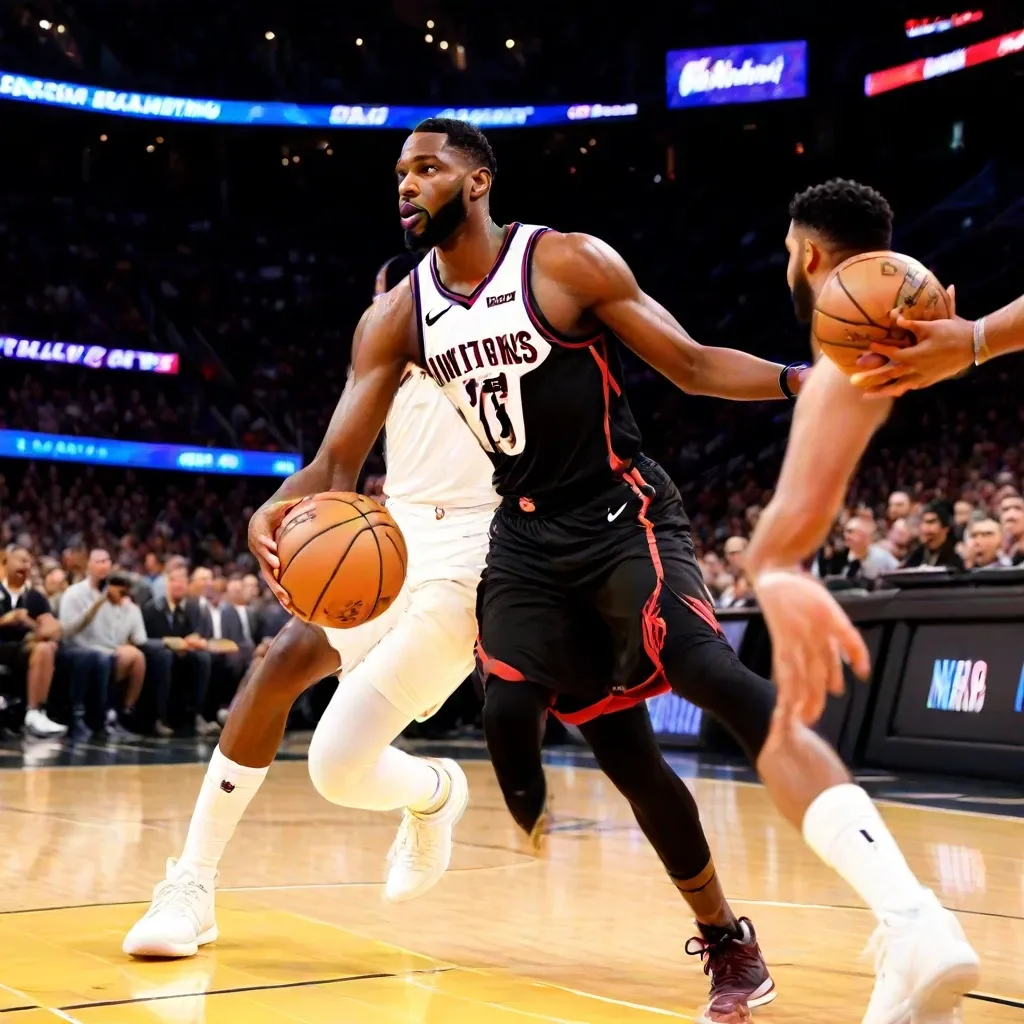
Imagine this: Two friends, both confident in their NBA picks, place identical $100 bets on the same game. One, lured by a familiar platform, blindly accepts odds of -110. The other, a savvy line shopper, snags odds of +100 on a different, lesser-known platform. The game unfolds, their shared pick wins. The first friend pockets a measly $90.91 profit. The second? A cool $100. Same game, same bet, wildly different outcomes. This scenario, replayed countless times daily, perfectly illustrates the power of line shopping. A staggering amount of money is constantly being lost by not shopping, and the majority of bettors loses potential profit by staying loyal to one single platform. Failing to compare sports betting odds across different sportsbooks is akin to throwing money away. Value betting is crucial, and those who ignore odds differences, especially when combined across multiple bets, will see their profit margins shrink dramatically. It’s estimated that bettors leave hundreds of millions on the table every year simply by neglecting this fundamental aspect of betting strategy. Maximizing your winnings isn’t just about picking winners; it’s about securing the best possible price for those winners.
Understanding Odds Formats and Implied Probability
Navigating the world of sports betting requires understanding how odds are presented. Different sportsbooks may display odds in various formats, and grasping these nuances is crucial for making informed decisions. The three primary odds formats are American, Decimal, and Fractional.
American odds, also known as moneyline odds, use a plus (+) or minus (-) sign to indicate the potential payout relative to a 100-unit stake. A minus sign indicates the amount you need to wager to win 100 units, while a plus sign shows the amount you win for every 100 units wagered. For example, -150 means you need to bet $150 to win $100, while +200 means a $100 bet wins you $200. The implied probability is calculated differently depending on the sign. For negative odds: Implied Probability = (-Odds) / (-Odds + 100). For positive odds: Implied Probability = 100 / (Odds + 100).
Decimal odds represent the total payout for every 1 unit wagered, including the return of your stake. For instance, decimal odds of 2.50 mean that a $1 bet returns $2.50 (your $1 stake plus $1.50 profit). The implied probability is calculated as: Implied Probability = 1 / Decimal Odds.
Fractional odds are commonly used in the UK and represent the ratio of profit to stake. For example, fractional odds of 5/1 mean that you win $5 for every $1 you wager, in addition to getting your stake back. The implied probability is calculated as: Implied Probability = Denominator / (Denominator + Numerator).
Understanding these formats and how to convert them to implied probabilities is essential for line shopping and identifying value bets. Once, while comparing odds for an NBA game across multiple sportsbooks, understanding the odds formats helped me to spot a significant discrepancy. One sportsbook had the odds in fractional format, which initially looked less appealing than the decimal odds offered by another. After converting both to implied probabilities, it became clear that the fractional odds represented a more favorable betting opportunity. This knowledge allowed me to place a more informed bet with a higher potential return. Proficiency in odds conversion empowers you to make smarter betting decisions and potentially increase your winnings.
Line Shopping: The Foundation of Value Betting
Line shopping is the bedrock upon which successful value betting strategies are built. It’s a straightforward yet often overlooked practice that can significantly impact your profitability. At its core, line shopping involves comparing odds for the same sporting event across multiple sportsbooks to identify the most favorable price. This simple act of comparison opens the door to consistently maximizing potential payouts and minimizing losses over the long run.
To effectively implement line shopping, the first step is to establish accounts with several reputable sportsbooks. The more accounts you have, the greater your chances of finding discrepancies in the odds. Once your accounts are set up, the real work begins. Before placing any wager, take the time to compare the odds offered by each sportsbook for your chosen bet. Look for even slight differences, as these small edges can accumulate into substantial profits over time.
The reasons for odds discrepancies are varied. Different sportsbooks may have unique algorithms, customer bases, or risk management strategies that influence their pricing. Regardless of the underlying cause, these differences present opportunities for savvy bettors.
Consider a basketball game where one sportsbook offers a team at -110, while another offers the same team at +100. By choosing to bet with the sportsbook offering +100, you’re increasing your potential return for the same level of risk. While this might seem like a minor difference, consistently exploiting such discrepancies through line shopping can provide a significant edge, especially when integrated with arbitrage betting techniques.

Advanced Techniques for Identifying Favorable Odds
To truly excel at finding advantageous odds, it’s crucial to move beyond basic line shopping and delve into more sophisticated techniques. This involves building probabilistic models, leveraging sports data analytics, and understanding market movements to anticipate line shifts. By mastering these advanced methods, you’ll significantly enhance your ability to identify and capitalize on favorable betting opportunities.
One powerful approach is constructing your own probabilistic models. These models use historical data to predict the likelihood of specific outcomes. Start by gathering relevant sports data such as team statistics, player performance metrics, and even environmental factors like weather conditions. Analyze this data to identify patterns and correlations that can inform your predictions. For instance, a simple model might consider a team’s average points scored, points allowed, and home/away win percentage to estimate their probability of winning a particular game. Remember to consider the lineup that the team is going to use that game, and how that lineup had performent in other games. The more data you incorporate, the more accurate your model is likely to become. Don’t be afraid to experiment with different variables and weightings, because every game is a world of its own. If you know how to code, create tools or scripts that allows you to see data in a better or visual way.
Sports data analytics platforms provide a wealth of information that can inform your betting decisions. These tools offer advanced statistics, trends, and insights that go beyond traditional box scores. Familiarize yourself with key metrics like expected goals (xG) in soccer, true shooting percentage in basketball, or wins above replacement (WAR) in baseball. These metrics can reveal hidden strengths and weaknesses of teams and players, giving you an edge when assessing potential betting opportunities. Take advantage about injuries, and last minute changes. This are some points that the bookmakers usually dont get in time, and give some space for better odds, and greater chances of profiting.
Understanding market movements is another critical skill. Betting lines are not static; they fluctuate based on various factors, including public betting trends, news, and sharp money. By monitoring line movements, you can gain insights into the collective sentiment of the betting market and identify potential value. For example, if a line moves significantly in one direction despite no apparent change in the underlying conditions, it may indicate that informed bettors are taking a strong position. Tailoring your bets based on these movements can lead to profitable outcomes.
Building your own prediction models
Constructing your own prediction models is a strategic move for serious bettors. Start by identifying the sports data relevant to the sport you’re focusing on. Look at team and player statistics, home and away game performance, and even factors like game day tactics and weather conditions. Create a database that is easy to consult, and can give you real time data of the teams.
Next, develop a probabilistic model that translates these data points into likely outcomes. For example, if a team consistently performs well at home, assign a higher probability of winning when they play on their home field. If a key player is injured, adjust the model to reflect the impact on the team’s performance. Remember to study specific strategies, like substitutions, pace changes, and how this tactics could affect the final result of the matches.
How to use advanced states
Several online resources can provide bettors with an advantage. Pages like action network, teamrankings, statmuse, oddsshopper and numberfire offers a variety of tools and data to improve your betting strategy.
Action Network offers in-depth analysis, real-time odds, and proprietary data to help you make informed betting decisions. Teamrankings provides detailed statistical analysis and predictive models for various sports. Statmuse allows you to quickly access sports statistics and compare player performances. Oddsshopper is a tool to find the best odds across different sportsbooks. Finally, Numberfire uses advanced analytics to generate projections and recommendations for sports betting.
Tools and Resources to Streamline Odds Comparison
Navigating the world of sports betting requires sharp decision-making, and a crucial element in that process is finding the best odds. Fortunately, several tools and resources can significantly streamline odds comparison, empowering bettors to maximize their potential payouts. These tools range from simple comparison websites to sophisticated AI-driven platforms, each offering a unique approach to identifying favorable betting lines.
Odds Comparison Websites: A Central Hub
Odds comparison websites act as central hubs, aggregating odds from various sportsbooks in one place. This allows bettors to quickly scan the landscape and identify which sportsbook is offering the most attractive price for a specific bet. Most platforms cover a wide range of sports and bet types, further simplifying the process. Features to look for include real-time updates, customizable filters, and the ability to track odds movement over time. While these websites provide a great overview, it’s essential to verify the information directly with the sportsbook before placing a bet, as odds can change rapidly.
Betting Calculators: Deciphering the Numbers
Betting calculators are invaluable for understanding implied probability, calculating potential profits, and comparing different bet types. Calculators can help bettors assess the true value of a bet by converting odds into probabilities. Some calculators also offer advanced features, such as arbitrage calculators, which identify opportunities to profit by placing bets on all possible outcomes of an event with different sportsbooks. While betting calculators are powerful tools for analysis, they require accurate input and a solid understanding of betting principles to be used effectively.
AI-Powered Betting Platforms: The Automation Edge
AI-powered betting platforms represent the cutting edge of odds comparison technology. These platforms use algorithms and machine learning to analyze vast amounts of data, including historical odds, team statistics, and even weather conditions, to identify optimal betting opportunities. One of the key advantages of AI platforms is their ability to automate the line shopping process. These platforms require a subscription and may not be suitable for casual bettors. However, for serious bettors looking to gain an edge, AI-powered platforms can provide valuable insights and significantly reduce the time spent searching for the best lines.

Developing a Sustainable Odds-Focused Betting Strategy
Crafting a winning betting strategy that centers on odds requires more than just understanding probabilities. It demands a holistic approach that encompasses shrewd bankroll management, disciplined bet sizing, unwavering emotional control, and a laser focus on long-term profitability. It’s a marathon, not a sprint. Patience and consistency are your most valuable assets.
Bankroll management is the bedrock upon which every successful betting endeavor is built. Think of your bankroll as your investment capital. You wouldn’t throw your life savings into a risky venture without careful consideration, and the same principle applies here. Start with an amount you can afford to lose without significantly impacting your financial well-being. Divide your bankroll into smaller units, typically 1% to 5% per bet. This approach safeguards against catastrophic losses from a few unfortunate outcomes. As your bankroll grows through consistent wins, you can gradually increase your unit size, compounding your profits over time. Remember, slow and steady wins the race. It is like planting a tree, you need to water it eatch day to see the fruits.
Emotional discipline is often the unsung hero of successful betting. The thrill of a win can be intoxicating, leading to reckless overconfidence and impulsive bets. Conversely, a string of losses can trigger frustration and a desperate attempt to recoup losses quickly, often resulting in even bigger mistakes. I remember one time I chased losses after a bad beat on an NBA game. Instead of sticking to my strategy, I doubled down on a later game – fueled by anger and a need to be right. Predictably, it backfired, wiping out a significant portion of my profits. Conversely, I once resisted the urge to increase my bet size on a “sure thing” tip. Sticking to my predetermined unit size, even though I was tempted to go all-in, protected me from a potentially devastating loss when the unexpected happened. The ability to remain calm, rational, and objective, regardless of the outcome, is crucial for long-term success in betting.
Bet size for diferent odds
Determining the optimal bet size for different odds is a balancing act between maximizing potential returns and minimizing risk. Several methods can guide your decision-making process. Here are a few common approaches:
- Kelly Criterion Method: This mathematical formula calculates the optimal fraction of your bankroll to bet based on the perceived edge and the odds offered. While it can be highly effective, it’s also considered aggressive and requires accurate assessment of probabilities, and it can be complex.
- Fixed Percentage Method: This involves betting a fixed percentage of your bankroll on each wager, regardless of the odds. For example, betting 2% of your bankroll on every game. This method is simpler to implement and provides consistent risk management.
- Level Stakes Method: Also known as flat betting, this strategy involves wagering the same fixed amount on every bet. It’s the most conservative approach and helps to maintain consistent bankroll management.
For someone starting out, the fixed percentage method is often the most practical because it´s easy to use and it keeps the risk low. Imagine you start with a bankroll of $500. Using a conservative 2% fixed percentage, your initial bet size would be $10. If the odds are favorable, a $10 bet can provide a decent return, while limiting the potential loss to a manageable amount. As your bankroll grows to $600, your bet size would automatically increase to $12, allowing for compounding profits. Conversely, if your bankroll dips to $400, your bet size would decrease to $8, reducing your risk during a losing streak. The key is to choose a percentage that aligns with your risk tolerance and consistently apply it to your bankroll, regardless of the odds presented, in order to protect your bankroll.
Conclusion
In conclusion, mastering sports betting odds through line shopping is crucial for profit maximization. Understanding implied probability, using multiple sportsbooks, and seizing opportunities are key. Embrace this strategy, and elevate your betting game.